
Renovation is about more than repairing or improving a building. In occupied residential properties, it is also about protecting the people who continue to live there while the work is taking place.
For older buildings, particularly those constructed before 1978, renovation, repair, and painting activities may disturb painted surfaces that contain lead. That is why lead-safe construction practices are an important part of responsible renovation planning.
When properly implemented, these practices help keep work areas controlled, limit the movement of construction dust and debris, maintain safer common areas, and allow residents to remain better informed throughout the project.
Why Older Buildings Require Additional Planning
Lead-based paint was widely used in residential buildings in the United States before its consumer use was banned in 1978. Many older properties still contain lead-based paint, although intact and properly maintained painted surfaces do not necessarily create an immediate hazard.
Renovation changes that environment because activities such as sanding, cutting, scraping, demolition, or window replacement can disturb existing coatings and generate dust. In multi-family properties, exterior and interior upgrades often coincide with broader structural mandates; understanding why on-time SB 721 and facade compliance protects your building helps management teams coordinate required structural repairs alongside essential lead-safe protocols.
The U.S. Environmental Protection Agency’s Renovation, Repair and Painting (RRP) program establishes lead-safe requirements for many projects involving painted surfaces in pre-1978 housing and child-occupied facilities. The EPA’s Renovate Right guidance reinforces the same principle: renovation should be planned so that dust and debris remain controlled and the surrounding living environment is protected.
Protecting Residents Is Part of Responsible Construction
In an occupied property, construction does not happen in isolation.
Residents may continue using adjacent apartments, hallways, entrances, stairways, parking areas, or other common spaces while work is underway. For that reason, protecting the surrounding environment becomes an important part of project planning.
This is especially relevant for households with young children. The Centers for Disease Control and Prevention emphasizes prevention as the most effective approach to reducing lead exposure in children. EPA materials also explain that young children are particularly sensitive to lead exposure and that renovation dust can be transferred through ordinary activities such as playing, eating, or touching contaminated surfaces.
These considerations are why thoughtful planning, communication, containment, and cleanup are so valuable during occupied renovation projects.
Containment Helps Keep Construction Where It Belongs
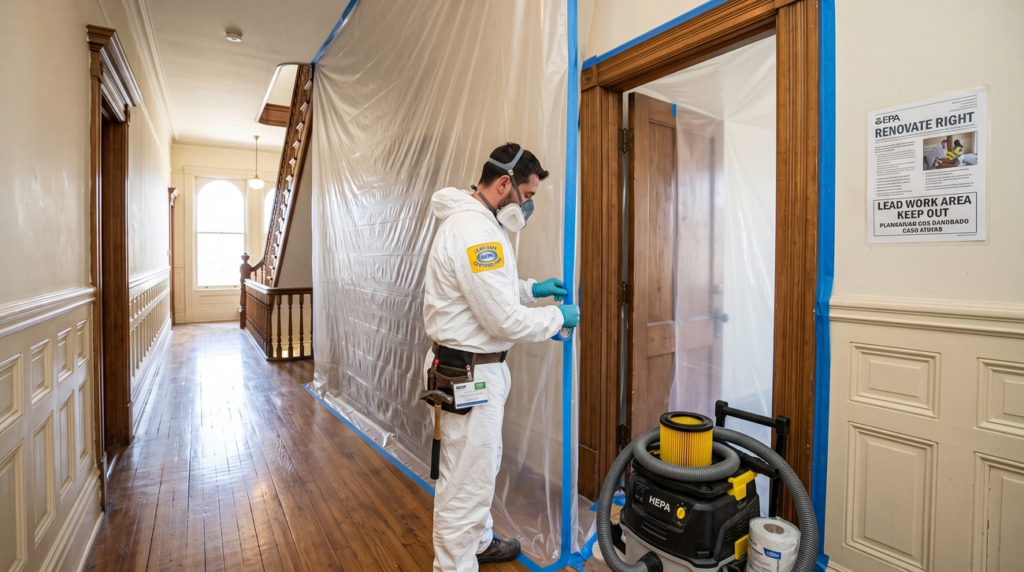
One of the most important elements of lead-safe renovation is creating a clearly controlled work area. Standard lead-safe containment protocols include:
- Isolating the construction zone from occupied spaces.
- Using plastic or other impermeable barriers.
- Protecting floors and furniture that cannot be removed.
- Sealing or protecting doors, openings, and ventilation systems.
- Establishing controlled paths for workers and materials.
- Keeping residents, children, and pets outside active work areas.
EPA describes containment as a core lead-safe practice because it helps prevent dust and debris from moving beyond the construction area.
For residents, that separation provides something equally important: a clearer distinction between where construction is taking place and where everyday life can continue.
Good Work Practices Help Minimize Dust
A well-contained work area is only part of the process. The methods used during construction also matter.
EPA lead-safe practices emphasize minimizing the creation of dust and using appropriate equipment and techniques when disturbing painted surfaces. Certain high-dust methods are restricted unless proper controls are in place.
Resident guidance follows the same approach: reduce dust where possible, contain the work area, use appropriate dust-control equipment, and prevent construction debris from spreading into the rest of the property.
In practical terms, these procedures help make construction more organized, predictable, and considerate of the people living around the project.
Cleaning Is Part of Completing the Work
Finishing the physical repair does not necessarily mean the work area is ready to return to normal use.
Lead-safe renovation practices include careful cleaning before containment is removed. EPA guidance calls for cleaning throughout the project and a thorough final cleanup designed to remove remaining dust and debris.
That can include HEPA vacuuming, wet wiping, wet mopping, and proper collection and disposal of construction waste.
The goal is not simply to leave the project looking clean. It is to return the area to residents in a condition that reflects the same level of care used during the construction itself.
Communication Makes the Process Easier for Residents
Clear communication can make a significant difference during any occupied renovation. Essential communication practices include informing residents about:
- Where work will take place.
- Which areas will temporarily be restricted.
- When construction is expected to occur.
- Whether normal entrances or pathways will change.
- When areas are expected to reopen.
- Who to contact with questions or concerns.
EPA requires certain pre-renovation information to be provided for covered projects, including its Renovate Right lead-hazard information for many renovations in pre-1978 housing and child-occupied facilities.
Beyond regulatory requirements, good communication helps residents understand the purpose behind barriers, access restrictions, protective coverings, and other temporary changes they may see around their property.
Better Renovation Protects Both Buildings and Communities
Building repairs preserve structures, address deterioration, and improve the long-term performance of a property.
But in multifamily housing, successful construction has an additional responsibility: respecting the environment where residents live. Containment, dust-control practices, careful cleanup, organized access, and clear communication all contribute to a more thoughtful renovation process.
When these measures are incorporated from the beginning, construction can accomplish two goals at once: improving the building and helping protect the people who call it home. Lead safety is just one critical component of maintaining a safe and compliant multi-family asset. To discover how lead containment fits into broader state mandates and structural maintenance, explore our comprehensive California multifamily compliance and structural repairs guide.
Planning a Renovation Project for Your Multi-Family Building?
Ensuring compliance with EPA lead-safe protocols and California structural regulations requires experienced, certified project planning. Contact REDLOG Construction Group today to discuss your upcoming renovation and maintain a safe, compliant living environment for your residents.
Official Sources
- U.S. Environmental Protection Agency (EPA): Lead Renovation, Repair and Painting Program
- U.S. Environmental Protection Agency (EPA): Renovation, Repair and Painting Program: Work Practices
- U.S. Environmental Protection Agency (EPA): The Lead-Safe Certified Guide to Renovate Right
- Centers for Disease Control and Prevention (CDC): Childhood Lead Poisoning Prevention